What Should You Have Ready Before Calling a Desentupidora in Moema?
Before you dial for emergency drain help, have four things ready: the exact address and unit number, a short description of what is backing up (sink, floor drain, toilet, or all three), whether the property is a house or a condominium, and your phone charged. That information lets a desentupidora Moema team decide which equipment to load and whether they need building access permits before leaving the base. This checklist is written the way I would walk a friend through it from my own experience dealing with blocked pipes in São Paulo apartments.
Problem-by-Problem Checklist: What Goes Wrong and How to Fix It
1. The kitchen sink drains slowly but never fully stops
Slow drainage is usually grease and food residue narrowing the pipe, not a total blockage. Before calling anyone, remove the siphon under the sink, clean it, and check whether the water still backs up. If it does, note whether the backup happens only when the dishwasher runs. That detail tells the technician whether the clog sits in the branch line or further down the main stack.
Fix: Avoid pouring chemical drain openers first — they can damage older PVC and make the eventual mechanical cleaning harder. Ask for a professional inspection and, if the building is older, request hydrojetting rather than a simple snake, because grease coats the whole pipe wall.
2. The floor drain in the service area bubbles when you shower
Bubbling floor drains mean air is being pushed back through the trap because the shared line downstream is partly blocked. This is common in Moema buildings from the 1970s and 1980s where the original cast-iron or galvanized lines have scale buildup. Write down which fixtures trigger the bubbling and at what time of day — that pattern helps the team locate the shared segment.
Fix: Do not keep pouring hot water and bleach as a temporary workaround; it clears the trap but not the horizontal run. A camera inspection followed by mechanical cleaning is the reliable route, and in condos the síndico should be informed because the blockage may be in a common pipe.
3. The toilet overflows when flushed
A toilet that fills and rises rather than drains is an urgent case. Stop flushing immediately and turn off the supply valve behind the bowl. Check whether other fixtures in the unit are also slow — if yes, the blockage is in the main line, not the toilet itself.
Fix: Keep the area dry, place towels around the base, and have the unit number and floor ready when you call. Emergency teams prioritize toilets because of the sanitary risk, and a desentupidora Moema São Paulo SP crew typically arrives with a hand auger and a high-pressure unit for exactly this scenario.
4. Sewage smell in the bathroom with no visible backup
Smell without water backup usually points to a dry trap, a loose toilet seal, or a vent stack problem. Run water in every drain in the unit for a minute and see whether the smell fades. If it returns within a day, the vent is likely blocked or the wax ring under the toilet has failed.
Fix: Do not mask it with air freshener. Ask the technician to check the vent and the toilet seal during the visit; fixing the seal is cheap, while ignoring a vent issue can lead to repeated backups later.
5. Water backing up in the laundry area during rain
Rain-triggered backups mean the storm drain or the building’s external line is overwhelmed, not that your washing machine is at fault. Note the time and the weather when it happens — that record is essential for the condominium administration and for the technician’s diagnosis.
Fix: Call for an inspection of the external line and the grease trap. In many Moema buildings, the fix is a hydrojetting service on the shared line plus a maintenance schedule, rather than a one-off unclogging.
6. The garbage disposal hums but does not drain
A humming disposal with standing water is usually jammed, not blocked. Turn off the breaker, use the hex wrench on the bottom of the unit to free the flywheel, and remove the obstruction with pliers — never your hand.
Fix: If water still stands after the jam is cleared, the trap or the branch line is clogged. Call for drain cleaning and mention that the disposal was jammed, because that changes the tools the technician brings.
7. Multiple units in the building have the same problem
When neighbors on different floors report the same backup, the cause is almost always in the vertical stack or the building’s main line. This is a condominium matter, and the síndico should be the one to authorize access to common areas.
Fix: Collect the unit numbers affected and the times each person noticed the problem. Give that list to the building manager before the visit. A desentupidora em Moema São Paulo SP team working on a shared line needs the síndico present or written authorization to open inspection boxes.
8. The septic tank in a house smells and drains slowly
In houses with septic systems, slow drains plus odor point to a full tank or a saturated drain field. Check the last pumping date if you have a record. If it has been more than two years, pumping is likely due.
Fix: Do not add chemical additives to mask the problem. Schedule a tank cleaning and ask for a inspection of the drain field at the same time, because pumping a tank with a failed field only buys a few weeks.
9. You are not sure whether the problem is yours or the building’s
This is the most common uncertainty. A simple test helps: fill a bucket and pour it into the floor drain. If it backs up immediately, the blockage is close by; if it drains slowly but steadily, the restriction is further down the line.
Fix: Describe the test result when you call. Technicians use that information to decide whether to inspect inside the unit first or go straight to the common line, which saves time and avoids unnecessary work.
10. You need service at night or on a weekend
Blockages do not wait for business hours. Before calling an emergency line, confirm the address, the access instructions (gate code, doorman, parking), and whether the building requires prior notice for after-hours entry.
Fix: Have the phone charged and the unit number written down. Emergency dispatch teams confirm the address and the nature of the problem before sending a crew, so a clear description shortens the wait.
What to Confirm Before, During, and After the Visit
Before the visit
Confirm three points: the service is available at the time you need it, the technician will inspect before quoting, and the price includes the equipment needed for your type of blockage. Ask whether the company serves condominiums in Moema specifically, since building access rules vary street by street.
- Address and unit number, plus gate or doorman instructions
- Whether the property is residential or commercial
- Which fixtures are affected and when the problem started
- Whether the building manager has been informed
- A photo of the backup, if it is safe to take one
During the visit
Ask the technician to show you where the blockage is before and after cleaning. A camera inspection is the clearest evidence, and it also tells you whether the pipe is damaged. Do not accept a quote for pipe replacement without seeing the camera footage — a camera inspection is the difference between a cleaning and an unnecessary repair.
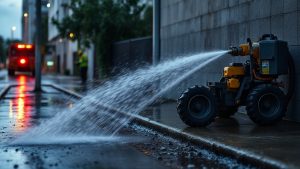
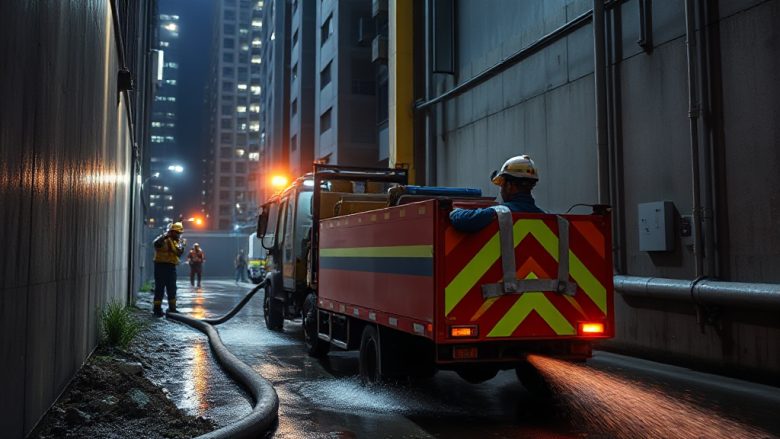
Also confirm which method is being used: a mechanical snake for a local clog, hydrojetting for grease and scale, or a vacuum truck for a full line. Each method has a different price and a different level of disruption.
After the visit
Keep the service report and the camera images. If the same line backs up within a few weeks, that record is your evidence that the original fix was incomplete. Ask for a maintenance recommendation: for a house, it may be annual; for a restaurant or a large condo, it may be quarterly.
A simple comparison helps set expectations:
| Method | Best for | Typical limitation |
|---|---|---|
| Mechanical snake | Local clogs, roots near the entry point | Does not remove grease coating the pipe wall |
| Hydrojetting | Grease, scale, and full-pipe cleaning | Requires access point and water supply |
| Vacuum truck | Septic tanks and large-volume lines | Not for small residential branch lines |
Common mistakes to avoid
The biggest mistake is pouring chemical cleaners repeatedly. They rarely clear a full blockage, and they make the pipe hazardous for the technician who later opens it. The second mistake is calling a general handyman for a shared building line — that work needs authorization from the condominium and equipment sized for the pipe.
The third mistake is ignoring a recurring smell. Recurring odor is a warning, not a nuisance, and it usually means a vent or seal problem that will eventually cause a backup. The fourth is not writing down what happened; a short log of dates, fixtures, and weather turns a vague complaint into a diagnosis.
If you are unsure which of these situations matches yours, describe the symptoms plainly when you call. A team that works in Moema regularly will recognize the pattern from the description and tell you what to have ready before they arrive.
Frequently Asked Questions
How quickly can a desentupidora reach Moema?
Response time depends on traffic and the time of day, but emergency services in São Paulo typically dispatch shortly after confirming the address and the problem. Having the unit number, access instructions, and a clear description ready is the main thing that shortens the wait.
Do I need the síndico’s permission for drain service in a condominium?
If the blockage is inside your unit, usually no. If it is in a shared line, inspection box, or vertical stack, the condominium administration must authorize access. Inform the doorman and the síndico before the visit to avoid the crew being turned away at the gate.
Is hydrojetting safe for older pipes?
It is safe when the pressure is adjusted to the pipe material and condition. That is why a camera inspection first matters: on fragile cast-iron or badly corroded lines, a lower-pressure approach or mechanical cleaning may be the better choice.
Can I clear a blocked toilet myself before calling?
You can try a plunger or a hand auger if the blockage is local. Stop if the water rises instead of draining, and never use chemical drain openers in a toilet. If other fixtures are also slow, the problem is in the main line and needs professional equipment.
How often should a restaurant or condominium schedule preventive cleaning?
It depends on volume and pipe condition. Restaurants with heavy grease load often need quarterly hydrojetting, while residential condominiums may need it once or twice a year. The camera inspection after the first cleaning gives the most reliable interval.