Why Drainage on Ilha Comprida Behaves Differently
Ilha Comprida is a long, narrow barrier island on the coast of São Paulo state, and that geography shapes almost everything about how water and waste move beneath its streets. In summer, the population multiplies as holidaymakers arrive, while the sewage network still does not reach every street. If you are searching for a desentupidora Ilha Comprida SP, the first thing to understand is that drainage here is not a generic big-city problem — it is an island problem.
The island as a plumbing system
Think of Ilha Comprida as a single, elongated watershed. The island runs roughly north-east to south-west, squeezed between the Atlantic and the estuarine channels, and much of it sits only a few metres above sea level. That low elevation matters: when the water table rises after heavy rain, gravity-fed drains have less fall to work with, and pipes that would flow freely on higher ground can begin to back up.
The soil is another factor. Sandy coastal ground drains quickly in one sense, but it also shifts and settles. Over years, that movement can misalign pipe joints, crack older clay or concrete sections, and let roots find their way in. A drain that was perfectly laid can develop a belly — a low spot where solids collect — without anything dramatic happening on the surface.
Because the island is narrow, there is also nowhere for a problem to go sideways. In a sprawling inland city, a blocked line might affect one block. On a strip of coast, a single obstruction in a main collector can back up a whole neighbourhood of holiday homes and pousadas. That concentration is why local knowledge of the island’s street layout and pipe routes matters as much as the equipment a team brings.
Seasonal population swings and the strain they create
Ilha Comprida has a relatively small permanent population, but in the summer high season and on long holidays the number of people on the island can jump dramatically. Every extra person means more showers, more laundry, more kitchen grease and more toilet flushes — all flowing into the same network.
This creates a predictable pattern. Drains and septic systems that cope fine in the quiet months get pushed to their limit in December and January. Grease that has been slowly coating the inside of a kitchen line for months suddenly becomes a full blockage when usage triples. Septic tanks that were due for emptying but not urgent become urgent very quickly.
There is a second, subtler effect. Many properties sit empty for much of the year. In an empty house, water in traps evaporates, gaskets dry out, and small roots or debris can establish themselves unnoticed. When the owners return for the holidays, the first flush of the season is often when a hidden problem announces itself. A desentupidora Ilha Comprida that knows this rhythm can often tell you what kind of blockage you are likely dealing with before anyone arrives.
Where the sewage network ends and the septic tank begins
Ilha Comprida does not have a single, uniform sewage system covering every street. Parts of the island are connected to a public collection network, while other areas rely on septic tanks, soak pits or on-site treatment. This patchwork is one of the most important things to understand before you call anyone.
The distinction changes the diagnosis. A blockage in a networked street is usually a pipe or collector issue — grease, roots, sediment or a collapsed section. A problem on a septic property is more often about the tank itself: it may be full, the outlet may be clogged, or the drainage field may be saturated. Treating one like the other wastes time and money.
What to check before you call
- Which system your property uses — public network or on-site septic. The answer is often in the property documents or visible from inspection covers.
- Whether the problem is one fixture or several — a single slow sink points to a local trap; multiple fixtures backing up points to a main line.
- Whether the smell is inside or outside — indoor odours suggest a dry trap or vent issue; outdoor odours near a tank suggest it needs attention.
- Whether the issue follows rain — if problems appear after heavy rain, infiltration or a high water table may be involved.
Getting these answers right at the start is what separates a quick fix from a repeat visit. It is also the reason a desentupidora em Ilha Comprida SP will usually ask a few questions on the phone before dispatching a team.
What actually goes wrong, and how it is fixed
Most drainage calls on the island fall into a handful of categories, and each has a different remedy. Understanding them helps you judge whether the service you are offered makes sense.
Grease and organic buildup
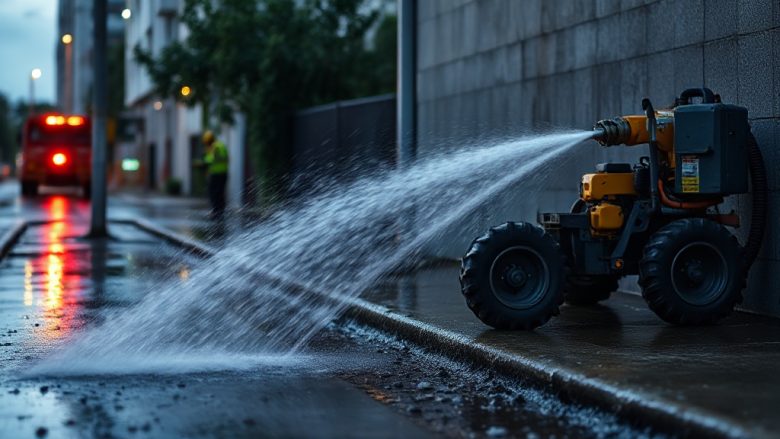
Kitchen lines are the classic culprit, especially in restaurants and rental properties that see heavy seasonal use. Grease cools and congeals on pipe walls, narrowing the bore until flow stops. The standard fix is mechanical cleaning or high-pressure hydrojetting, which scours the pipe wall rather than simply punching a hole through the blockage.
Roots and structural intrusion
Coastal vegetation is resilient, and roots seek moisture. A hairline crack or a loose joint is enough for roots to enter and expand. Clearing the line restores flow, but if the pipe is damaged, the blockage will return. A proper inspection with a camera before and after clearing is what tells you whether you are solving the problem or postponing it.
Sediment and sand
On a sandy island, sediment finds its way into drains and inspection chambers. Over time it settles and reduces capacity. This is especially common in low-lying streets and in properties near the beach. Hydrojetting and chamber cleaning are usually the answer, followed by checking that covers and joints are sound.
Full or failing septic systems
Where there is no network, the tank is the system. A full tank backs up slowly and smells; a failing drainage field leaves soggy ground and slow drains. Septic tank emptying and inspection are routine maintenance, not emergencies, but they become emergencies when ignored through a busy season.
| Problem | Typical sign | Usual approach |
|---|---|---|
| Grease blockage | Slow kitchen drain, gurgling | Mechanical clearing or hydrojetting |
| Root intrusion | Recurring blockages in the same line | Cutting, jetting, camera inspection |
| Sediment buildup | Standing water in chambers | Chamber and line cleaning |
| Full septic tank | Slow drains, outdoor odour | Emptying and inspection |
Timing, access and the practical side of hiring help
Two practical realities shape any drainage job on Ilha Comprida: access and timing. Many streets are narrow, some are unpaved, and in peak season traffic and parked cars can slow a service vehicle. A team that regularly works the island knows which access routes to plan for and what equipment fits where.
Timing matters just as much. A blockage at 11 pm on a Saturday in January is a different situation from a slow drain on a Tuesday in June. Emergency call-outs exist precisely for the first case, and the difference between a team that offers 24-hour emergency response and one that does not is worth checking before you need it.
Cost is the other question everyone asks. There is no single price, because the variables are real: the type of blockage, the depth and length of the line, whether a camera is needed, whether a tank must be emptied, and whether the work happens at a standard hour or overnight. A reputable provider will explain what drives the price rather than quoting a number that later grows.
One caution is worth stating plainly: chemical drain cleaners are a poor substitute for proper clearing on an island system. They can damage older pipes, they do not remove roots or sediment, and they add a corrosive load to septic tanks that are already working hard. Mechanical and hydraulic methods are safer for the infrastructure and more likely to solve the problem at its source.
Finally, prevention is genuinely cheaper here than in most places. Periodic inspection of lines and tanks before the summer rush, keeping grease out of kitchen drains, and checking that rainwater is not entering the sanitary system will prevent most of the calls that define the season. On a narrow island with a patchwork network, a little foresight goes a long way.
The short version: Ilha Comprida’s geography, its seasonal crowds and its mixed sewage infrastructure mean drainage problems here are predictable in type but specific in cause. Knowing whether you are on a network or a tank, recognising the signs of grease, roots or sediment, and planning around the summer peak will tell you more about your situation than any generic advice. When the problem is beyond a plunger, the right local team turns an island headache into a routine job.